

June 2026: Artificial Intelligence is rapidly transforming the world of scientific research, enabling scientists to analyze massive datasets, simulate complex systems, and accelerate discoveries at an unprecedented pace. Researchers across disciplines—from medicine and climate science to astronomy and materials engineering—are increasingly relying on AI-powered tools to solve problems that once required years of investigation.
In healthcare, AI is helping scientists identify potential drug candidates, study disease patterns, and improve diagnostic accuracy. Researchers say machine learning algorithms can analyze biological data much faster than traditional methods, potentially reducing the time needed to develop new treatments and therapies.
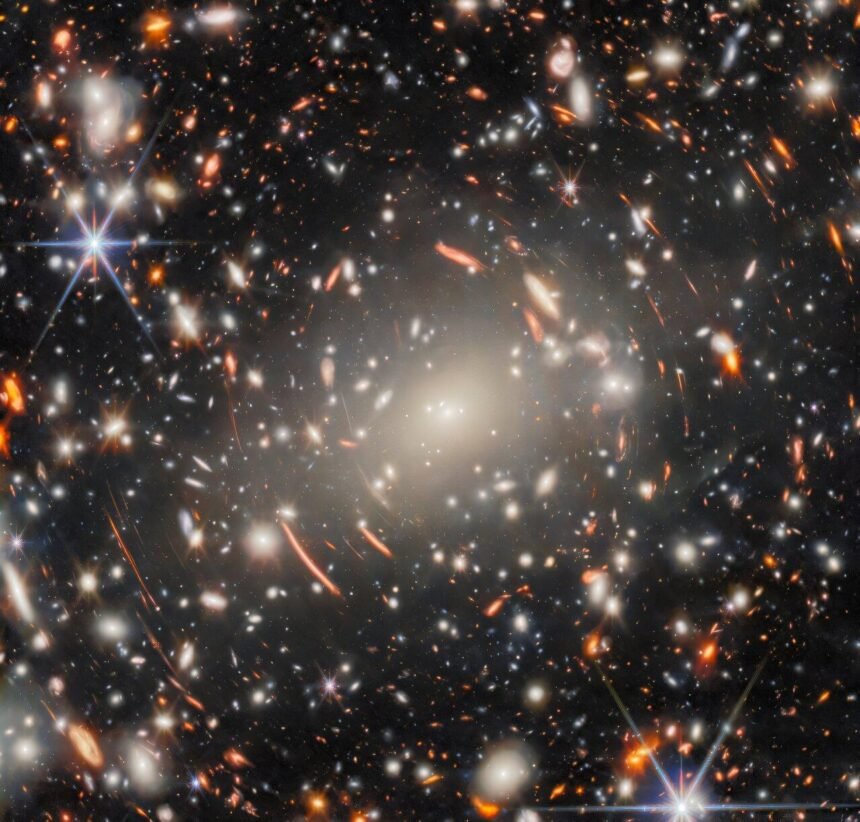
Astronomy is another field experiencing a technological revolution. Modern telescopes generate enormous volumes of data every day, and AI systems are helping astronomers detect distant galaxies, identify unusual cosmic events, and study the evolution of the universe. Scientists believe that advanced computing will play a critical role in future space exploration missions.
Climate researchers are also using AI to improve weather forecasting, model environmental changes, and better understand the effects of global warming. By processing vast amounts of atmospheric and oceanic data, AI can help create more accurate predictions and support disaster preparedness efforts.
Experts note that while AI is becoming a powerful scientific tool, human creativity, critical thinking, and experimentation remain essential to the research process. Scientists emphasize that AI works best as a partner that enhances human capabilities rather than replacing researchers.
As governments, universities, and technology companies continue investing in scientific innovation, AI-driven research is expected to unlock new discoveries across multiple fields. Many experts believe the combination of advanced computing and human expertise could lead to breakthroughs that shape the future of medicine, energy, environmental protection, and space exploration.