


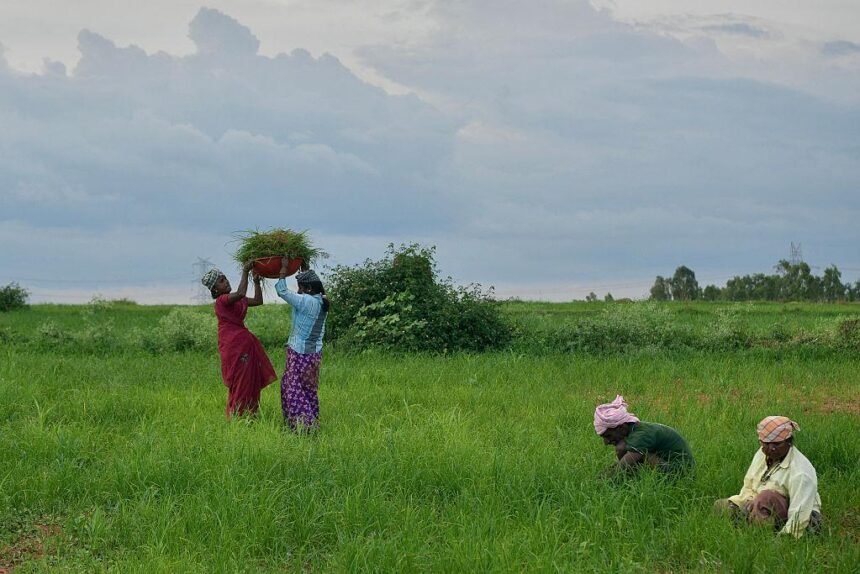
New Delhi, June 2026: Millet cultivation is gaining momentum across India as farmers increasingly adopt these traditional grains due to their resilience to climate change, lower water requirements, and growing market demand. Agricultural experts believe that millets could play a crucial role in strengthening food security while improving farm incomes in the coming years.
Millets such as ragi, jowar, bajra, and foxtail millet are well-suited to dry and semi-arid regions, making them an attractive option for farmers facing unpredictable rainfall and rising temperatures. Unlike many water-intensive crops, millets can thrive in challenging conditions and require fewer agricultural inputs.
The growing popularity of healthy and nutritious food products has also boosted demand for millet-based foods. Nutritionists highlight that millets are rich in fiber, protein, vitamins, and essential minerals, making them an important component of balanced diets. As consumer awareness increases, food companies are introducing a wider range of millet-based products in domestic and international markets.
Government agencies and agricultural institutions are promoting millet cultivation through awareness campaigns, training programs, and support initiatives aimed at encouraging sustainable farming practices. Experts say these efforts are helping farmers diversify their crops and reduce dependence on traditional cereals.
Researchers are also working to develop improved millet varieties with higher productivity and better resistance to pests and diseases. These innovations are expected to further enhance the crop’s appeal among farmers.
Agricultural economists believe that the expansion of millet cultivation can contribute to environmental sustainability, nutritional security, and rural economic development. With increasing recognition of their benefits, millets are gradually reclaiming their place in India’s agricultural landscape.
As climate challenges continue to impact farming communities, many experts view millets as a promising solution for building a more resilient and sustainable agricultural future.