


Organic and Natural Farming – Short Notes
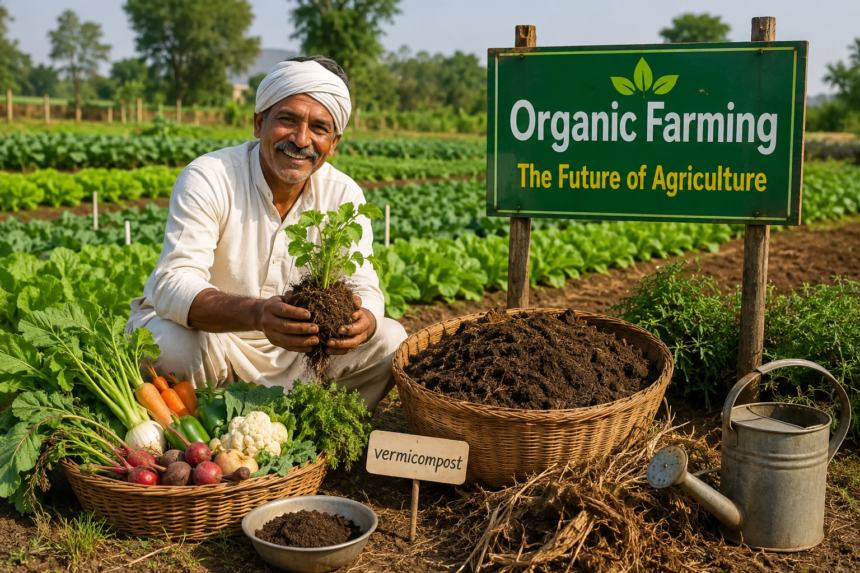
Organic farming is an agricultural system that relies on natural inputs such as compost, vermicompost, green manure, and biological pest control instead of chemical fertilizers and pesticides. It helps maintain soil fertility, protects the environment, and provides healthy food.
Contents
Organic and Natural Farming – Short NotesImportance of Organic FarmingMain Objectives of Organic FarmingMajor Organic Farming Schemes1. Rashtriya Krishi Vikas Yojana (RKVY-RAFTAAR)2. Paramparagat Krishi Vikas Yojana (PKVY)3. Namami Gange Clean Campaign4. National Mission on Natural FarmingBenefits of Organic and Natural FarmingHow to Apply
Importance of Organic Farming
- Improves soil fertility and productivity.
- Reduces the cost of cultivation.
- Increases farmers’ income and profits.
- Produces safe and nutritious food.
- Protects natural resources and the environment.
- Enhances the competitiveness of agricultural products in international markets.
Main Objectives of Organic Farming
- Produce high-quality food in sufficient quantities.
- Ensure proper use of natural resources.
- Promote biological cycles involving plants and animals.
- Maintain long-term soil health and fertility.
- Reduce pollution caused by agricultural practices.
- Provide farmers with better production and a safe environment.
Major Organic Farming Schemes
1. Rashtriya Krishi Vikas Yojana (RKVY-RAFTAAR)
- Organic certification through third-party agencies.
- Started in Uttarakhand from 2017–18.
- Provides training, certification, marketing support, and assistance for vermicompost and Nadep pits.
2. Paramparagat Krishi Vikas Yojana (PKVY)
- Promotes cluster-based organic farming.
- Activities include cluster formation, training, seminars, exposure visits, marketing, and PGS certification.
3. Namami Gange Clean Campaign
- Encourages organic farming in villages located in the Ganga basin.
- Funding pattern: 90% Central Government and 10% State Government.
- Supports training, certification, organic inputs, branding, fairs, and exhibitions.
4. National Mission on Natural Farming
- Promotes zero-budget or low-cost farming.
- Minimizes the use of fertilizers, pesticides, and excessive irrigation.
- Aims to reduce production costs while protecting soil and the environment.
Benefits of Organic and Natural Farming
- Eco-friendly and sustainable.
- Improves soil structure and biodiversity.
- Reduces dependence on chemical inputs.
- Produces healthier food.
- Increases long-term agricultural sustainability.
How to Apply
Farmers can contact their nearest Agriculture Department office for information and enrollment under the relevant schemes.
Exam Question:
Discuss the objectives, benefits, and major government schemes related to organic and natural farming in India.
Source : https://agriculture.uk.gov.in/scheme-programmes